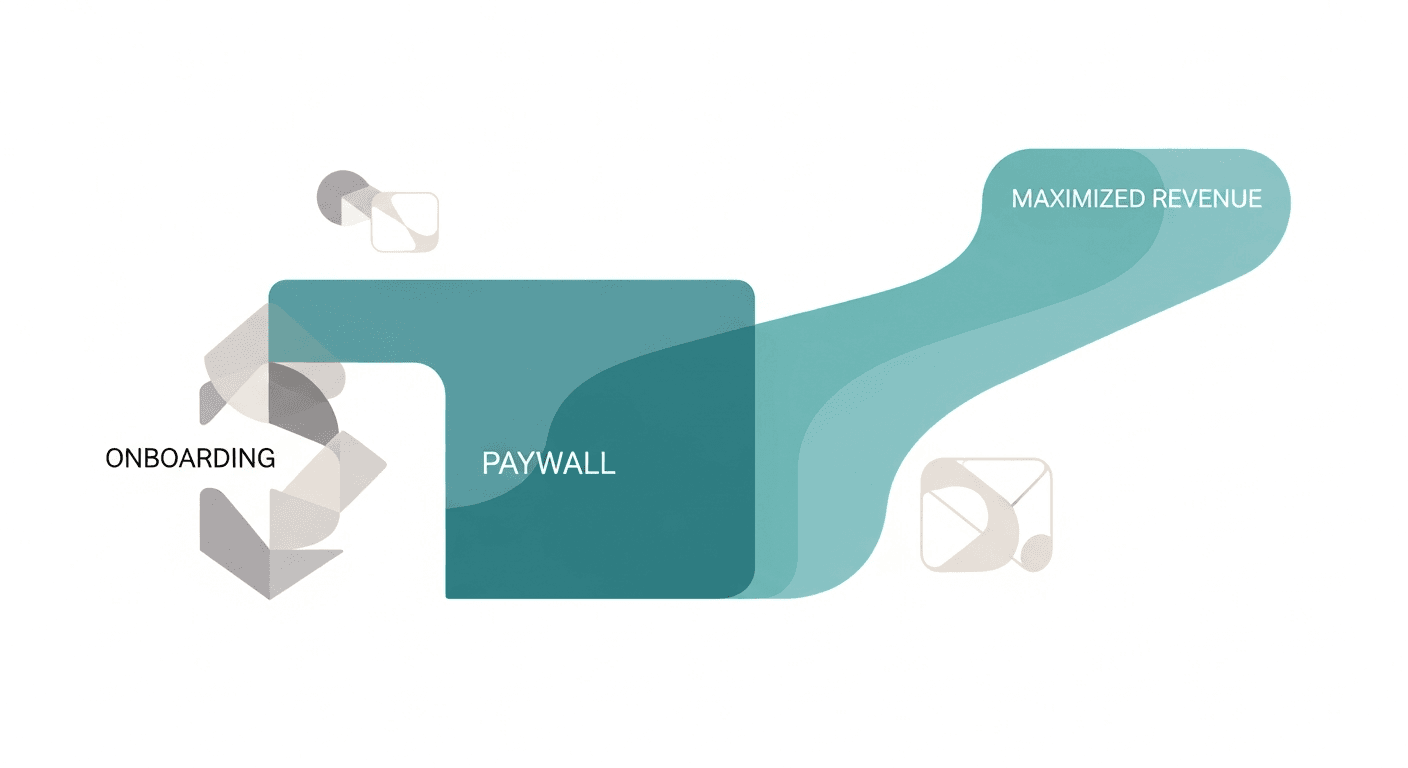
Understanding the Importance of Paywall Design
The paywall is often the final hurdle between your users and conversion. A well-crafted paywall not only captures attention but also instills a sense of urgency and value. In subscription-based apps, this design element can significantly influence user behavior and revenue generation.
Key Elements of Effective Paywall Design
Clear Value Proposition: Clearly articulate what users stand to gain from subscribing. Use concise language and impactful visuals to convey the benefits.
Social Proof: Incorporate testimonials or user reviews to build trust and credibility. Highlighting how others have benefited can encourage hesitant users to make the leap.
Limited-Time Offers: Create urgency with time-sensitive promotions or discounts. For instance, a 30% discount for the first three months can entice users to subscribe immediately.
Onboarding Flows: Setting the Stage for Activation
Once users encounter your paywall, a seamless onboarding experience can make all the difference in ensuring they activate their subscription. Effective onboarding should focus on guiding users through the app’s core features and demonstrating its value.
Best Practices for Optimizing Onboarding Flows
Progressive Disclosure: Avoid overwhelming users with information. Introduce features gradually, allowing users to learn as they explore the app.
Interactive Tutorials: Utilize interactive onboarding elements that engage users. For example, a short guided tour that highlights key features can increase user retention.
Feedback Mechanisms: Incorporate feedback options during onboarding to gather insights on user experience. This helps to identify pain points that may hinder activation.
In-App Experiences That Drive Engagement and Revenue
Once users are onboarded, sustaining engagement is crucial. In-app experiences should be designed to encourage users to explore and engage with the app regularly, ultimately leading to increased revenue.
Strategies for Enhancing In-App Experiences
Personalization: Tailor in-app content based on user preferences and behaviors. Personalized recommendations can encourage users to engage more deeply with the app.
Gamification: Introduce gamified elements, such as rewards or achievements, that encourage regular interaction. This can significantly boost user retention and satisfaction.
Regular Updates: Keep the content fresh with regular updates or new features. This not only enhances user experience but also encourages existing users to renew their subscriptions.
The Power of Rapid Experimentation and Variant Testing
With the stakes high in subscription-based models, rapid experimentation is essential for optimizing paywall design, onboarding flows, and in-app experiences. Implementing A/B testing can uncover which strategies resonate most with your audience.
How to Implement Effective A/B Testing
Define Clear Objectives: Establish what you want to achieve with each test, whether it’s increasing conversion rates or improving user retention.
Test One Variable at a Time: Isolate variables to accurately gauge their impact on user behavior. For example, test different paywall designs or onboarding sequences individually.
Analyze and Iterate: Use analytics tools to track performance and gather actionable insights. Implement changes based on data to continuously improve your offerings.
Bridging the Gap Between Design and Monetization Performance
While great design is crucial, it must translate into actual monetization. Regularly assess how design choices impact financial performance. For instance, a visually stunning paywall that fails to communicate value may result in poor conversion rates.
To bridge this gap, ensure that your design team collaborates closely with product and marketing teams. Regular feedback loops can foster a culture of continuous improvement, ensuring that design choices align with business goals.
Practical Implementation of Paywall and Onboarding Strategies
To effectively implement the strategies discussed, consider utilizing frameworks that can guide your development process. For instance, the Lean Startup Methodology encourages iterative testing and feedback, allowing you to adjust your paywall and onboarding strategies based on real user data.
One practical approach is to create a user journey map that outlines key touchpoints, from first seeing the paywall to successfully activating a subscription. This visualization can help identify potential drop-off points and areas for improvement.
Case Study: Successful Paywall Redesign
A notable example comes from a fitness app that revamped its paywall after analyzing user behavior analytics. By incorporating a clear value proposition and social proof, they increased their conversion rate by 50% within three months. They emphasized user testimonials and added a limited-time discount, which created urgency.
Leveraging Data-Driven Insights for Continuous Improvement
Beyond initial implementations, embracing a data-driven approach is vital. Utilize analytics tools to monitor user interactions with the paywall and onboarding processes. Key performance indicators (KPIs) such as conversion rates, churn rates, and user engagement metrics can provide insights into what's working and what needs attention.
For example, if you notice a high drop-off rate at a specific point in the onboarding process, it may indicate that users are confused or overwhelmed. Adjusting the onboarding flow by simplifying it or adding more engaging elements can lead to improved user activation rates.
Snackbar Design’s expertise in ASO creative optimization can help you craft compelling paywalls and onboarding experiences that resonate with your target audience, ensuring sustained growth and revenue.
Case Study: Data-Driven Paywall Optimization
A well-known language learning app faced declining conversion rates. They employed a rigorous A/B testing strategy focused on their paywall and onboarding processes. By testing variations of their paywall design, they discovered that incorporating a countdown timer for their promotional offers increased urgency and improved conversion rates by 40% over a six-month period.
Additionally, during onboarding, they tested different interactive tutorials and found that a gamified approach led to a 25% increase in user engagement. The combination of these strategies not only enhanced user experience but also drove significant revenue growth.
Actionable Tips for Implementation
When implementing paywall and onboarding strategies, keep these actionable tips in mind:
Use Analytics Wisely: Invest in robust analytics tools to track user behavior effectively. Understanding user interactions will provide insights into areas requiring adjustments.
Iterate with User Feedback: Regularly solicit feedback from users during onboarding and beyond. This can help identify pain points and improve overall experience.
Collaborate Across Teams: Ensure alignment between design, marketing, and product teams. Regular meetings can facilitate the sharing of insights and best practices.
Advanced Paywall Strategies: Leveraging Behavioral Economics
To further enhance your paywall effectiveness, consider incorporating principles from behavioral economics. These can significantly influence user decision-making and lead to higher conversion rates.
Utilizing Anchoring and Framing Techniques
Anchoring: Present a higher-priced option alongside your primary offer. This can make your main subscription price appear more attractive. For example, if you offer a premium tier at $19.99 and a standard tier at $9.99, the latter feels like a bargain.
Framing: The way you frame your subscription can impact perception. Instead of stating a price, highlight the value, such as "Only $0.33 a day!" This can shift focus from cost to value.
Implementing these techniques requires careful design and messaging. A mobile app that effectively uses these strategies can see an uplift in subscription conversions, as demonstrated by a finance app that noted a 30% increase after applying anchoring strategies to their pricing model.
Case Study: Behavioral Economics in Action
A popular meditation app applied behavioral economics techniques to their paywall by introducing a higher-end subscription tier that included exclusive content. By strategically anchoring this premium option, they encouraged more users to opt for the standard subscription, resulting in a 20% increase in overall conversions within just two months.
Conclusion
In conclusion, leveraging effective paywall design, streamlined onboarding flows, and engaging in-app experiences can significantly drive conversion, activation, and revenue in subscription-based apps. By embracing rapid experimentation and maintaining a focus on monetization performance, product leaders can create a sustainable growth trajectory for their mobile applications.