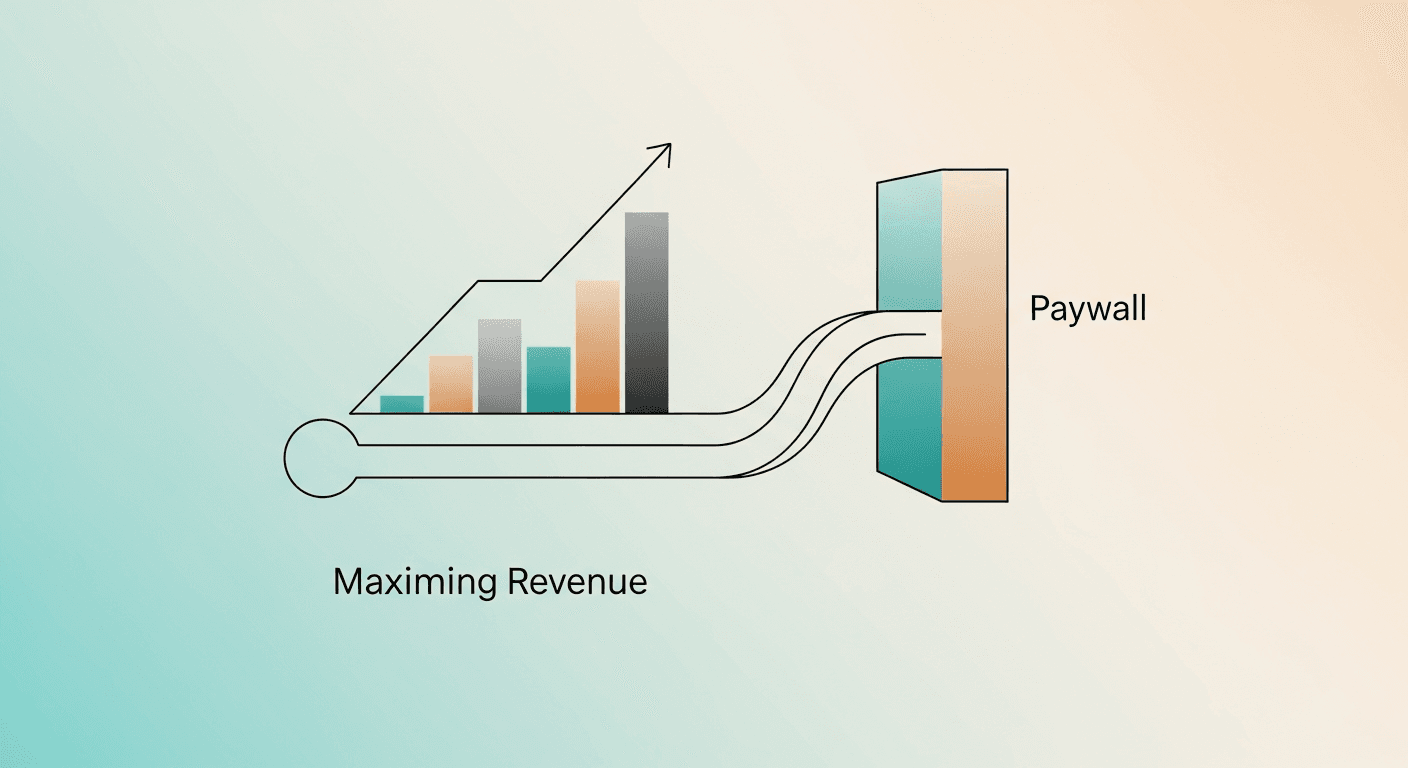
The Critical Role of Paywall Design
In the competitive landscape of subscription-based apps, paywall design plays a pivotal role in driving conversions. A well-designed paywall not only attracts users but also guides them towards making a purchase decision. It’s the first tangible interaction users have with your monetization strategy, and it can either make or break your revenue potential.
To optimize your paywall, consider the following elements:
Clarity: Ensure that the pricing model is straightforward. Users should instantly understand what they are paying for and the value they will receive.
Visual Appeal: Utilize high-quality graphics and appealing layouts. A visually engaging paywall can capture attention and increase the likelihood of conversion.
Urgency: Incorporate time-sensitive offers or limited-time discounts to encourage immediate action.
Testimonials: Showcase user reviews or success stories to build trust and demonstrate the app’s value.
Streamlining Onboarding for Activation
Onboarding is another crucial touchpoint that can significantly influence user activation rates. A seamless onboarding experience helps users understand the value of your app quickly, which in turn fosters higher retention rates.
Here are key strategies to enhance your onboarding process:
Personalization: Tailor the onboarding experience based on user demographics or behavior. Personalization can help users feel more connected to your app and increase engagement.
Progressive Disclosure: Instead of overwhelming users with information, introduce features gradually. This approach allows users to learn at their own pace and reduces friction.
Interactive Elements: Use interactive walkthroughs or tutorials to engage users actively. This hands-on approach can help users grasp functionality better than static instructions.
Leveraging In-App Experiences for Retention
Once users are onboarded, maintaining engagement through in-app experiences is essential for long-term retention and revenue growth. Engaging users post-onboarding can lead to increased usage, which translates to higher subscription renewals.
Consider implementing the following tactics:
Gamification: Integrate gamified elements like rewards, achievements, or challenges to keep users motivated and engaged.
Frequent Updates: Regularly update your app with new content or features. Keeping your app dynamic can entice users to return and explore.
Feedback Loops: Establish channels for user feedback. Listening to users can help you make informed decisions about features they want, improving satisfaction and retention.
The Importance of Rapid Experimentation
To truly understand what works best for your audience, rapid experimentation is key. This involves testing multiple variants of paywalls, onboarding flows, and in-app experiences to identify which combinations yield the highest conversion rates.
Here are steps to implement effective A/B testing:
Define Success Metrics: Determine what success looks like for each variant. Common metrics include conversion rates, user engagement levels, and churn rates.
Test One Element at a Time: Focus on one variable per test to clearly identify its impact on performance. Whether it’s the color of the call-to-action button or the wording in the paywall, isolating elements will yield clearer results.
Analyze Data: After running your tests, analyze the data thoroughly. Use insights to inform future design and development decisions, ensuring a cycle of continuous improvement.
Bridging the Gap Between Design and Monetization
Despite having well-designed paywalls and onboarding flows, many apps find a disconnect between design aesthetics and actual monetization performance. This gap often stems from a lack of alignment between design and growth teams.
To bridge this gap, consider the following strategies:
Cross-Functional Collaboration: Foster collaboration between design, marketing, and product teams. Regular meetings to discuss insights and align on goals can ensure that design decisions are grounded in monetization objectives.
User-Centric Focus: Keep user needs at the forefront of design discussions. Understanding user behavior and preferences can lead to more effective monetization strategies.
Iterate Based on Feedback: Use data-driven feedback to continuously refine your paywalls and onboarding processes. This approach will ensure that designs not only look good but also drive real-world results.
Practical Implementation: Framework for Success
To implement these strategies effectively, consider adopting a structured framework that encompasses designing, testing, and iterating paywalls and onboarding flows. Here’s a practical outline:
Research: Conduct user research to identify pain points and preferences. Utilize surveys, interviews, and user testing to gather qualitative insights.
Design: Create wireframes and prototypes of your paywalls and onboarding flows. Use tools like Figma or Adobe XD to visualize your ideas.
Test: Deploy A/B tests based on your prototypes. For instance, one client successfully increased their conversion rate by 30% by testing different paywall layouts and messaging.
Analyze: Collect data from your A/B tests and analyze the results. Look for patterns that indicate which designs resonate best with users.
Iterate: Based on your findings, refine your designs. Continuous iteration should be part of your strategy, as user preferences can evolve.
Case Study: Real-World Application
One notable example of effective paywall and onboarding optimization comes from a health and fitness app that partnered with Snackbar Design. By analyzing user data and implementing a visually appealing paywall that emphasized clarity and urgency, they saw a remarkable 40% increase in conversions within just three months. Their onboarding process was also revamped using interactive walkthroughs, which led to a 25% increase in user activation rates. This highlights the tangible benefits that can be achieved through focused design improvements.
Advanced Strategies for Paywall Optimization
While the foundational elements of paywall design are crucial, advanced strategies can further enhance performance. Consider the following:
Dynamic Pricing: Implement a pricing model that adjusts based on user behavior or market conditions. For instance, using machine learning algorithms to offer personalized pricing can drive conversions significantly.
Cross-Selling Opportunities: Leverage your paywall to introduce complementary products or services. By showcasing additional offerings, you can increase average revenue per user (ARPU).
Exit-Intent Popups: Utilize exit-intent technology to capture users before they leave. Display a compelling offer or reminder of the value they would miss out on if they do not subscribe.
Data-Driven Decision Making: Measuring Success
Establishing a data-driven culture within your organization can significantly enhance your paywall and onboarding effectiveness. Here’s how to implement this approach:
Dashboard Creation: Develop dashboards that track key performance indicators (KPIs) related to paywall performance, user activation, and retention rates. Visualizing data allows for quicker insights and informed decision-making.
Regular Review Cycles: Schedule monthly reviews to analyze performance data and iterate on strategies. This practice keeps your team aligned and focused on continuous improvement.
Benchmarking Against Competitors: Regularly assess how your paywall and onboarding strategies stack up against competitors. This not only highlights areas for improvement but can also inspire innovative ideas.
Integrating User Feedback into Design
User feedback is invaluable in refining both paywall design and onboarding experiences. Actively seeking and incorporating user insights can lead to more effective designs that resonate with your audience.
To integrate user feedback effectively, consider these steps:
Surveys and Polls: Regularly deploy surveys within your app to gather insights on user preferences and pain points related to paywalls and onboarding.
User Testing Sessions: Conduct usability testing sessions to observe how users interact with your paywall and onboarding. This qualitative data can reveal unexpected challenges and preferences.
Feedback Implementation: Create a system to prioritize and implement feedback. For instance, if multiple users express confusion about a paywall feature, prioritize redesigning that element based on user input.
Case Study: User Feedback in Action
A notable example of effectively incorporating user feedback comes from a finance app that sought to improve its paywall. They implemented a feedback loop where users could share their thoughts on the paywall experience. By analyzing feedback, they identified that users wanted clearer explanations for pricing tiers. After redesigning the paywall to include simplified explanations and visual aids, the app saw a 35% increase in conversions.
Conclusion
In conclusion, optimizing paywall design, onboarding flows, and in-app experiences is crucial for maximizing revenue in subscription-based apps. By focusing on these areas and leveraging rapid experimentation, you can drive conversions, enhance user activation, and ultimately increase your app's profitability. At Snackbar Design, we specialize in helping mobile app companies scale their creative production to achieve these goals effectively.